Month 1 of my ETF-focused side hustle: I invested $150 earned from a freelance editing gig. My total dividend payout was exactly $0.64. It felt insignificant, almost like a waste of time. However, by Month 24, after consistently securing seed money from various side jobs and funneling it into a disciplined portfolio, my monthly cash flow reached $87. This journey wasn't about getting rich overnight; it was about building a legitimate side income pipeline that works while I sleep.
Many people treat a side hustle as a second job where they trade time for money indefinitely. I shifted my perspective to use my active side income to fuel a passive income engine. By utilizing specific ETF investment methods, I managed to create a diversified portfolio that acts as an inflation hedge while benefiting from the compound interest effect. It took roughly 15 months of consistent dollar-cost averaging before the numbers started to look meaningful, proving that patience is the most expensive entry requirement.
Selecting the Right Index-Tracking ETF for Market Growth
Choosing an index-tracking ETF involves selecting a fund that mirrors a major market benchmark like the S&P 500 or the Nasdaq 100. This approach ensures your portfolio diversification matches the broader economy's performance rather than relying on the success of a single company. For most full-time workers, this is the most efficient way to achieve steady long-term investment returns with minimal daily management.
The Power of the S&P 500 and Nasdaq 100
The S&P 500 and Nasdaq 100 serve as the backbone for many successful side hustle portfolios because they offer a balance of stability and growth. While the S&P 500 provides exposure to 500 of the largest U.S. companies, the Nasdaq 100 leans more heavily into technology, offering higher potential growth at the cost of increased volatility.
I personally keep about 60% of my equity holdings in these broad indices. One downside I noticed early on was the temptation to over-trade during market dips. To counter this, I automated my buys on the 15th of every month, regardless of the price. This removed the emotional burden and allowed me to focus on my primary side business instead of staring at charts.
Understanding Management Fees and Trading Commissions
Management fees (expense ratios) and trading commissions can quietly erode your profits over a multi-year period. Even a 0.5% difference in fees can result in thousands of dollars lost over a decade of investing. It is vital to compare the total cost of ownership before committing your hard-earned side income to a specific fund.
When I first started, I didn't pay attention to the 0.75% fee on a specialized thematic ETF I bought. After 12 months, I realized that a similar index-tracking ETF had a fee of only 0.03%. I promptly switched, saving myself a significant amount in the long run. Always check the prospectus for the 'expense ratio'—it is the one number you can actually control in the market.
Generating Cash Flow with Monthly Dividend ETFs
Monthly dividend ETFs are designed to provide regular payouts, making them an ideal choice for those looking to create a tangible side income stream. By focusing on dividend growth stocks and funds like SCHD, investors can receive cash that can be used for expenses or, more effectively, for dividend reinvestment to accelerate portfolio growth.
I track every cent in my investment ledger to see exactly how my cash flow generation is evolving. In the beginning, the dividends couldn't even buy a cup of coffee. Today, they cover my monthly internet and streaming subscriptions. This psychological win keeps me motivated to continue my side hustle efforts and reinvest the surplus.
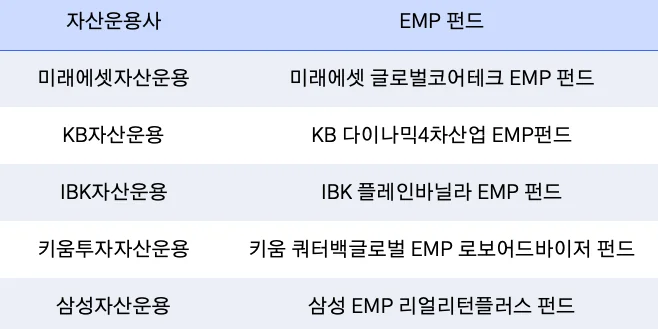
"EMP funds tend to have a lower risk profile compared to general mutual funds." — Based on data from the Korea Council for Investor Education [1]
The Role of SCHD and Dividend Growth
SCHD (Schwab US Dividend Equity ETF) is a staple for many because it focuses on companies with a strong track record of increasing their payouts. This focus on quality helps protect the portfolio during downturns while providing an increasing stream of passive income. It’s not just about the current yield; it’s about how much that yield grows over time.
One realistic negative of dividend-focused investing is that these funds often lag behind during aggressive tech bull markets. I experienced this in early 2023 when my tech-heavy friends were bragging about 30% gains while my dividend funds were up only 8%. However, the consistency of the payouts during flat months provided a peace of mind that their volatile portfolios couldn't offer.
Strategic Asset Allocation and Tax Benefits
Effective asset allocation involves balancing your stock ETFs with a proper cash ratio and potentially some bonds to manage risk. For residents in certain regions, using specialized accounts like the ISA (Individual Savings Account) or a Pension Savings Account can provide significant tax benefits, helping you avoid or defer comprehensive income tax on financial income.
My current strategy involves a rebalancing strategy every six months. If my stock portion grows too large, I trim it and move the profits into my cash reserve or a more stable bond ETF. This ensures I am buying low and selling high without having to time the market perfectly.
| Feature | ETF Managed Portfolio (EMP) | Active Day Trading |
|---|---|---|
| Time Commitment | Low (2-4 hours per month) | High (4-8 hours per day) |
| Risk Profile | Moderate/Low (Diversified) | Very High (Concentrated) |
| Average Success Rate | High for long-term holders | Low (most individuals underperform) |
| Tax Efficiency | High (low turnover) | Low (frequent short-term gains) |
Utilizing ISA and Pension Accounts for Tax Optimization
Maximizing tax-advantaged accounts is the closest thing to a "free lunch" in the investment world. Using an ISA or a Pension Savings Account allows your side hustle earnings to grow without being immediately taxed, which significantly boosts the terminal value of your portfolio through the compounding of those saved tax dollars.
I initially made the mistake of investing in a regular brokerage account. When I did the math, I realized I was losing about 15% of my dividends to taxes every year. By shifting my strategy to an ISA, I effectively gave myself a 15% raise on my passive income. It takes about an hour to set up, but the long-term impact is massive.
Benefits of ETF Investing for Side Hustlers
- Risk diversification by spreading capital across hundreds of different assets.
- Systematic asset management handled by professional fund managers.
- Elimination of emotional bias through automated, rule-based trading.
- Cost-effective entry into the market with low management fees and commissions.
Building a side income through ETFs requires a shift from a "get rich quick" mindset to a "get wealthy slowly" discipline. My 24-month journey has shown that while the start is slow and the dividends are small, the momentum builds exponentially. Start small, track your progress in an investment ledger, and focus on the consistency of your contributions rather than the daily fluctuations of the market.
Frequently Asked Questions

How to start an ETF for beginners?
To start an ETF for beginners, open a brokerage account and begin with a small amount of money from your side hustle. The most effective method is ' ' (dollar-cost averaging), where you buy a fixed amount every month regardless of market price. Focus on broad ETF like the S&P 500 to minimize risk. This consistent approach transforms your extra money into a reliable passive income engine over time without requiring expert trading skills or constant market monitoring.
How much money do I need for a successful ETF?
You can start an ETF with as little as $10 to $100, as many brokerages now offer fractional shares. There is no large minimum requirement, making it an ideal way to reinvest extra money earned from a side hustle. By consistently investing small amounts into ETF, you benefit from compound interest. Even modest monthly contributions can build significant wealth over several years, especially if you focus on ' ' (dividend reinvestment) to accelerate your portfolio growth.
S&P 500 vs.: Which is the best ETF for passive income?
Choosing between the S&P 500 and (dividend growth stocks) depends on whether you prioritize growth or cash flow. The S&P 500 is the gold standard for long-term capital appreciation, while dividend growth ETFs are better for generating immediate, consistent side income. For most investors, a combination is the best ETF. Use the S&P 500 for core stability and add dividend growth stocks to increase your monthly side income, ensuring a balanced and diversified passive income stream.
When will I see results from my ETF?
Most investors begin to see tangible results from their ETF within 12 to 24 months of consistent monthly investing. While initial dividend payouts may seem insignificant—often just a few cents—the power of compound interest and ' ' starts to show significant momentum after the first year. By funneling side hustle earnings into your portfolio regularly, you can transform small amounts of extra money into a substantial side income pipeline that provides genuine financial flexibility.
Is ETF worth it for small side hustle earnings?
Yes, ETF is highly worth it because it converts active side income into long-term passive income. Unlike keeping extra money in a low-interest savings account, investing in ETF offers a natural inflation hedge and market growth potential. Even if you only invest a small portion of your side hustle profits, the discipline of ' ' ensures your wealth grows automatically. It is the most reliable way to build a secondary income stream that works even while you sleep.